
Which four areas must stay powder-free before powder coating?
Threads, holes, mating edges and electrical contact points. If powder builds up in the wrong place, a finished part may no longer screw together, fit, seal or conduct electricity. Watch the short answer, then match the masking method to the shape.
Four small areas can decide whether the whole part still works.
Powder coating can look perfect and still create a fitting or electrical problem. These are the first four places to check on the drawing or the real part.
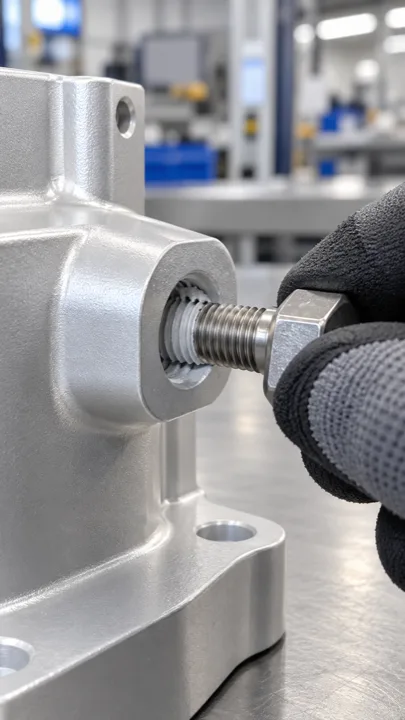
1. Threads
Coating inside a thread can stop a bolt from starting or tighten the fit until assembly becomes unreliable.
Process illustration — not a customer production photo.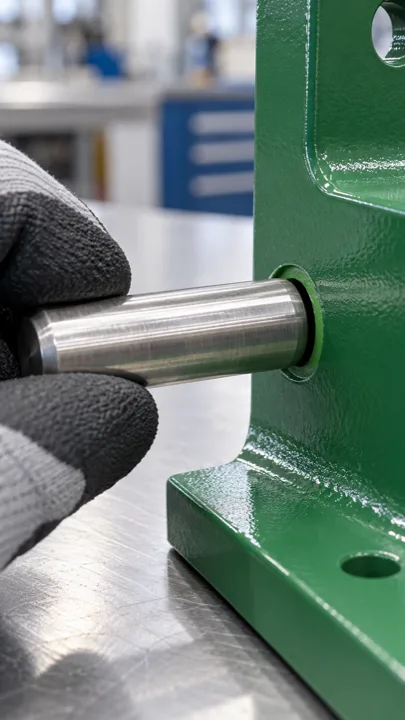
2. Holes
A layer that looks thin can still change the hole size enough to block a pin, shaft or fastener.
Process illustration — not a customer production photo.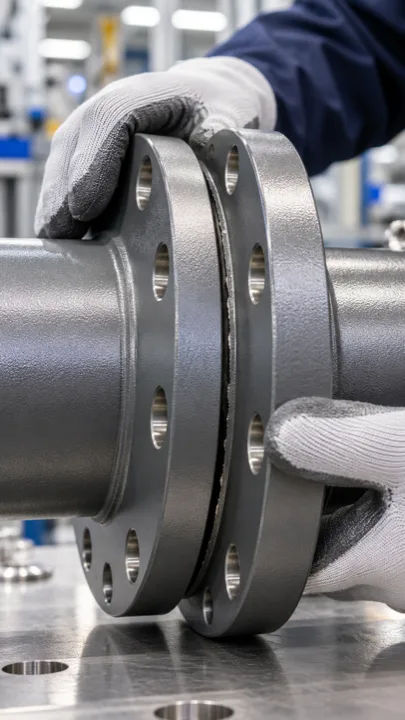
3. Mating edges
Coating on a contact face can create a gap, change alignment or keep two parts from sitting flush.
Process illustration — not a customer production photo.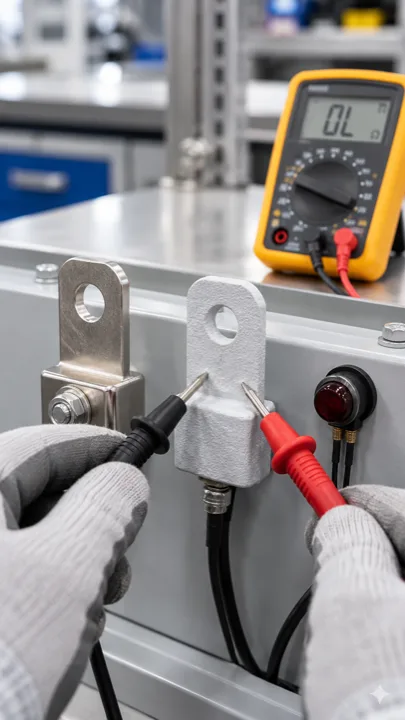
4. Electrical contacts
Powder is an insulator. If it covers the contact point, current may no longer pass through the part.
Process illustration — not a customer production photo.Tape, plugs and die-cut pieces do different jobs.
The easiest masking method is usually the one that follows the shape without slowing down loading, removal or inspection.
High-temperature tape
Best suited to flat faces, straight edges and areas where the operator can press the tape down evenly.
Plugs and caps
Often faster for holes, threaded features and studs because the mask follows the three-dimensional shape.
Die-cut pieces
Useful when the same shape repeats and the team needs faster, more consistent placement from part to part.
“200°C” is not the whole answer.
SIHO green polyester masking tape grade SH-M002 has a published condition of 200°C for 30 minutes. That gives the buyer a starting point, not a production guarantee.
- Confirm the highest part temperature, not only the oven set point.
- Confirm bake time and the number of heat passes.
- Confirm the metal surface, coating chemistry and required clean-removal result.
- Test the mask on the actual part before volume production.
Questions buyers ask before choosing a mask
What areas should be masked before powder coating?
Threads, holes, mating edges and electrical contact points often need to stay powder-free when coating buildup would stop assembly, change fit or break electrical contact.
Which masking method fits holes and threads?
High-temperature plugs or caps are often easier for holes and threaded features. Tape is better suited to flat faces and straight edges.
Can green polyester tape be used for powder coating masking?
It can be a candidate when the surface and oven cycle fit the tape. SIHO grade SH-M002 has a published condition of 200°C for 30 minutes; test it on the real part before production.
What should I send to request a masking sample?
A part photo or drawing, the exact area that must stay powder-free, highest part temperature, bake time, number of heat passes and required size.
Check the full process and product evidence.
Which area on your part must stay powder-free?
Send one photo or drawing and mark the area. Add the highest part temperature, bake time and number of heat passes. We will narrow the masking method before asking you to compare samples.
- Part photo or drawing
- Area that must stay powder-free
- Highest part temperature and bake time
- Number of heat passes and required size