
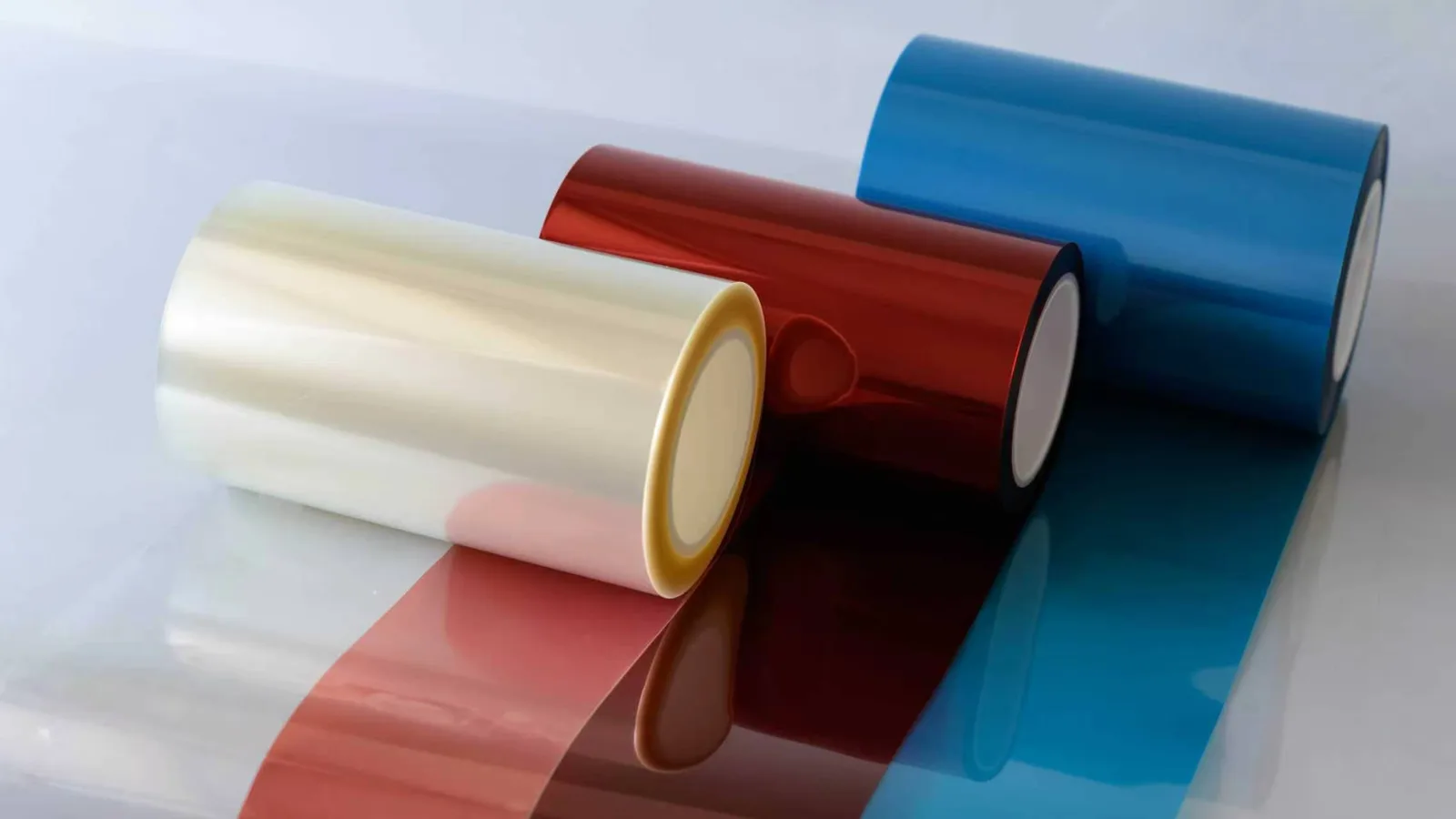
01 · PET
Silicone PET Protective Film
Ultra-low tack down to 1.5 gf/25mm — the range that is hardest to hold stable batch after batch.
See grades and test dataProtective film, process masking or bonding tape — start with the job you need the material to do. Each product page shows the published grades and the evidence behind the numbers.
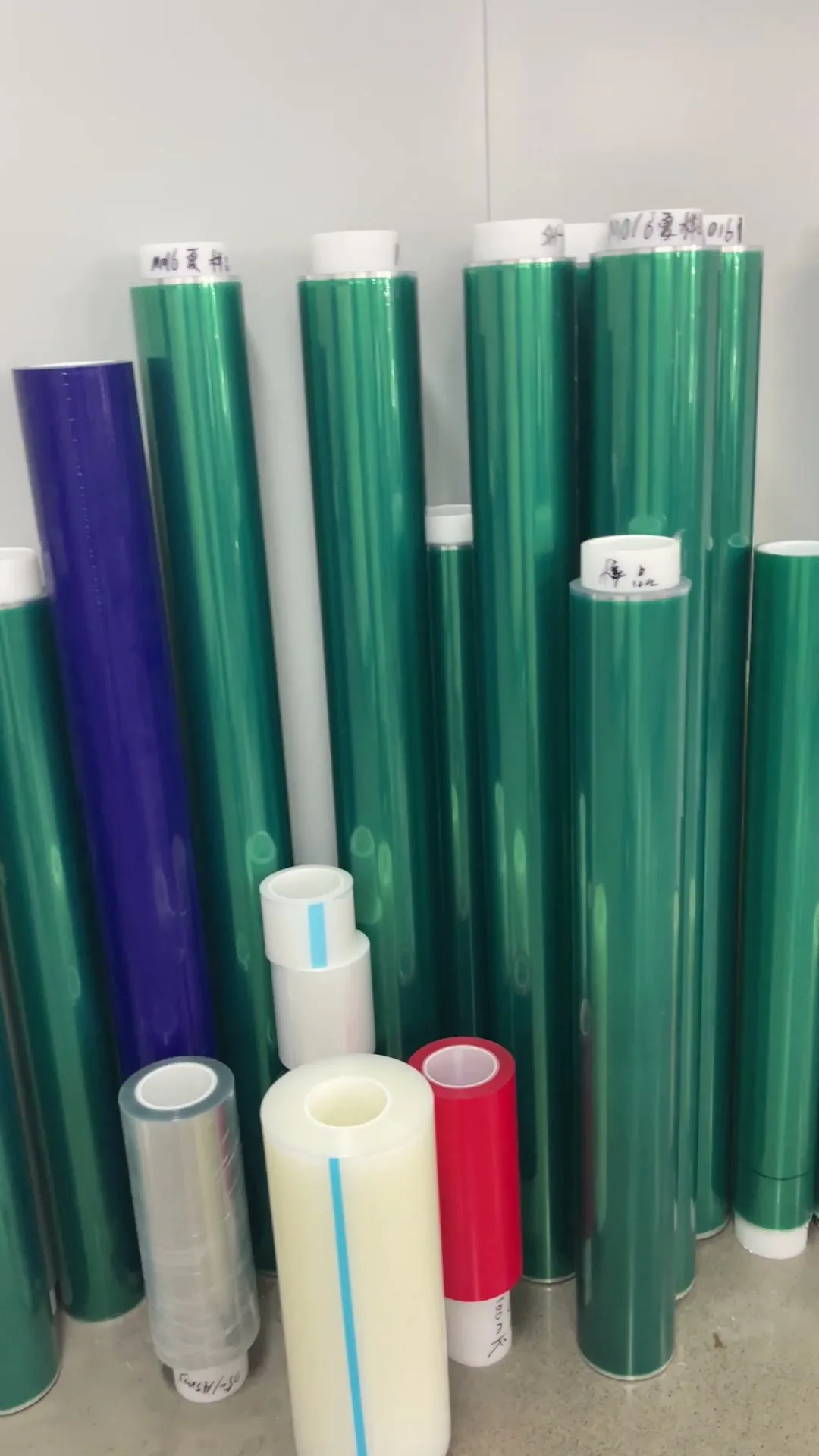
If you already know the material name, start here. If you only know the process problem, use the Applications page instead.
Ultra-low tack down to 1.5 gf/25mm — the range that is hardest to hold stable batch after batch.
See grades and test data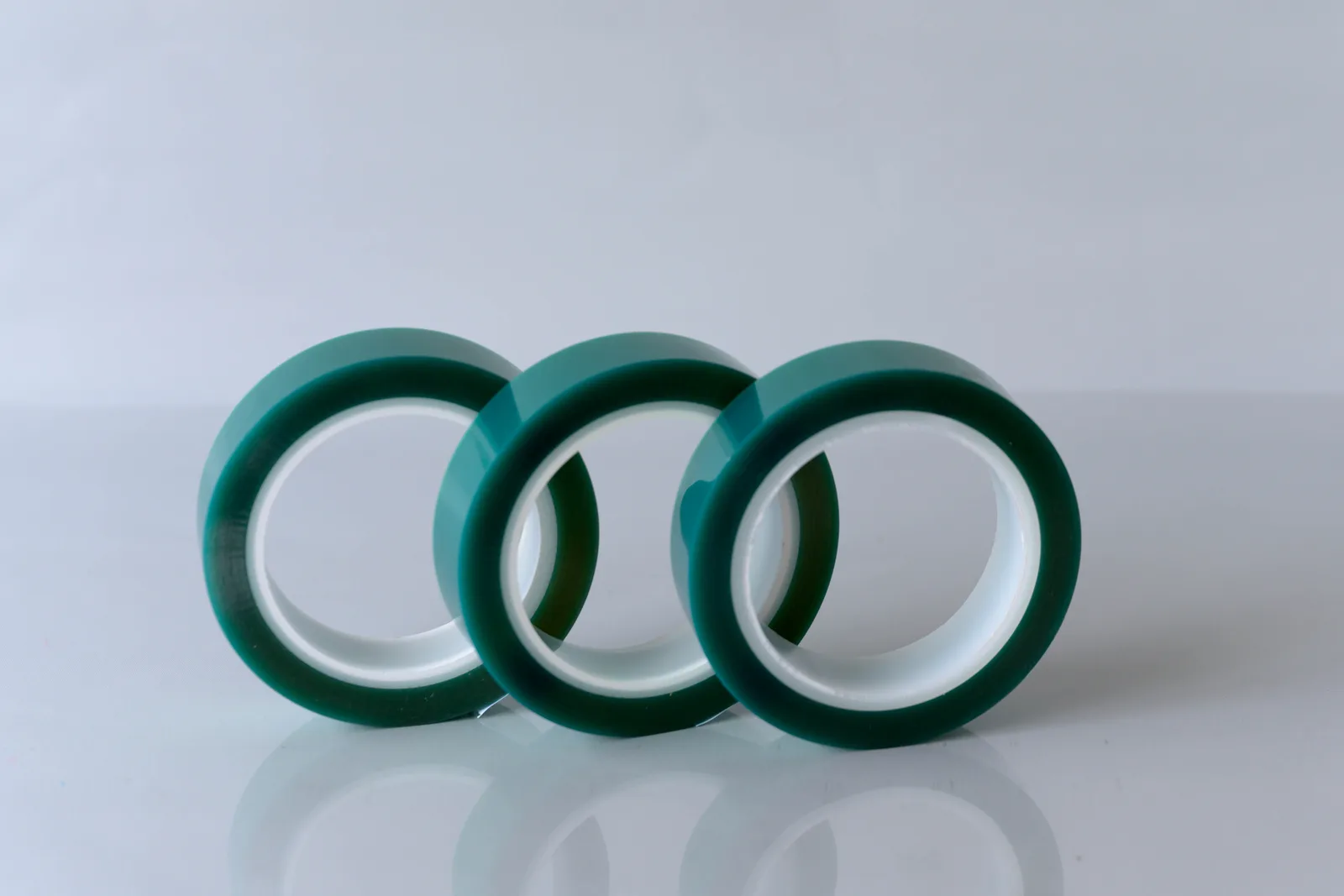
Masks through soldering, plating and paint bake, then comes off clean. 200 °C for 30 minutes.
See grades and test data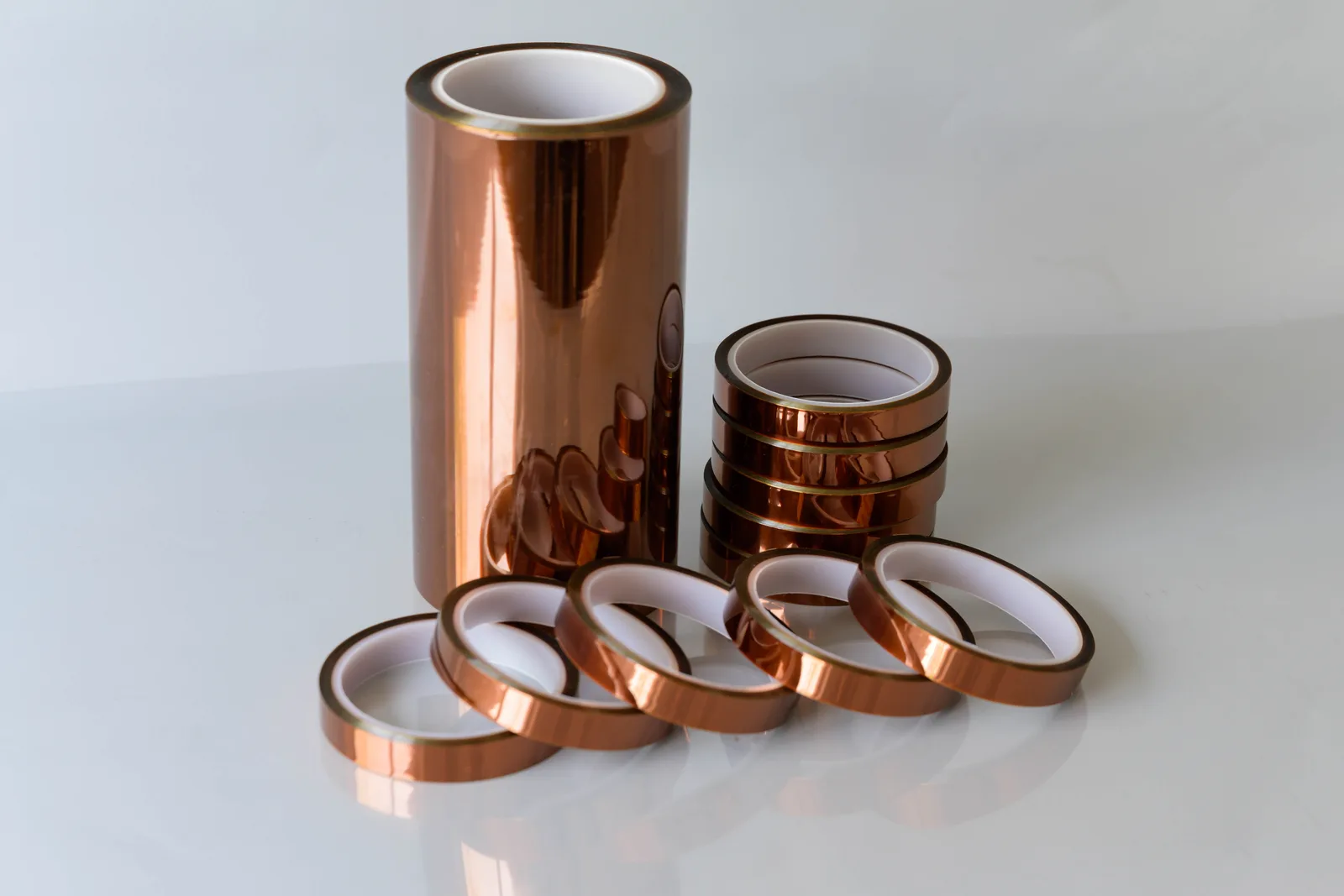
The highest-temperature masking step. No residue at 200 °C for a full hour, stated with dwell time.
See grades and test data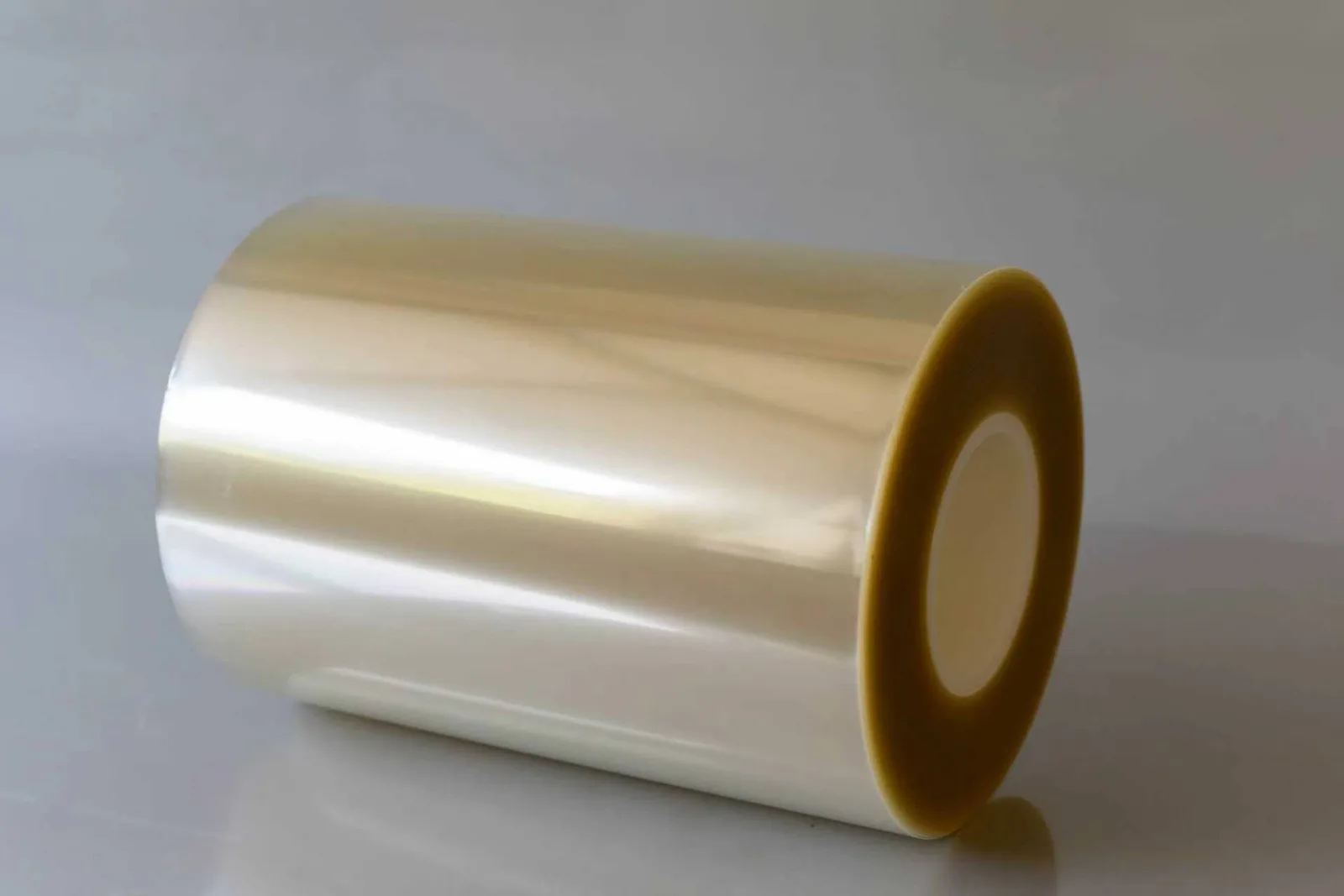
Acrylic adhesive on a low-VOC system. Single-layer grades wind bubble-free.
See grades and test data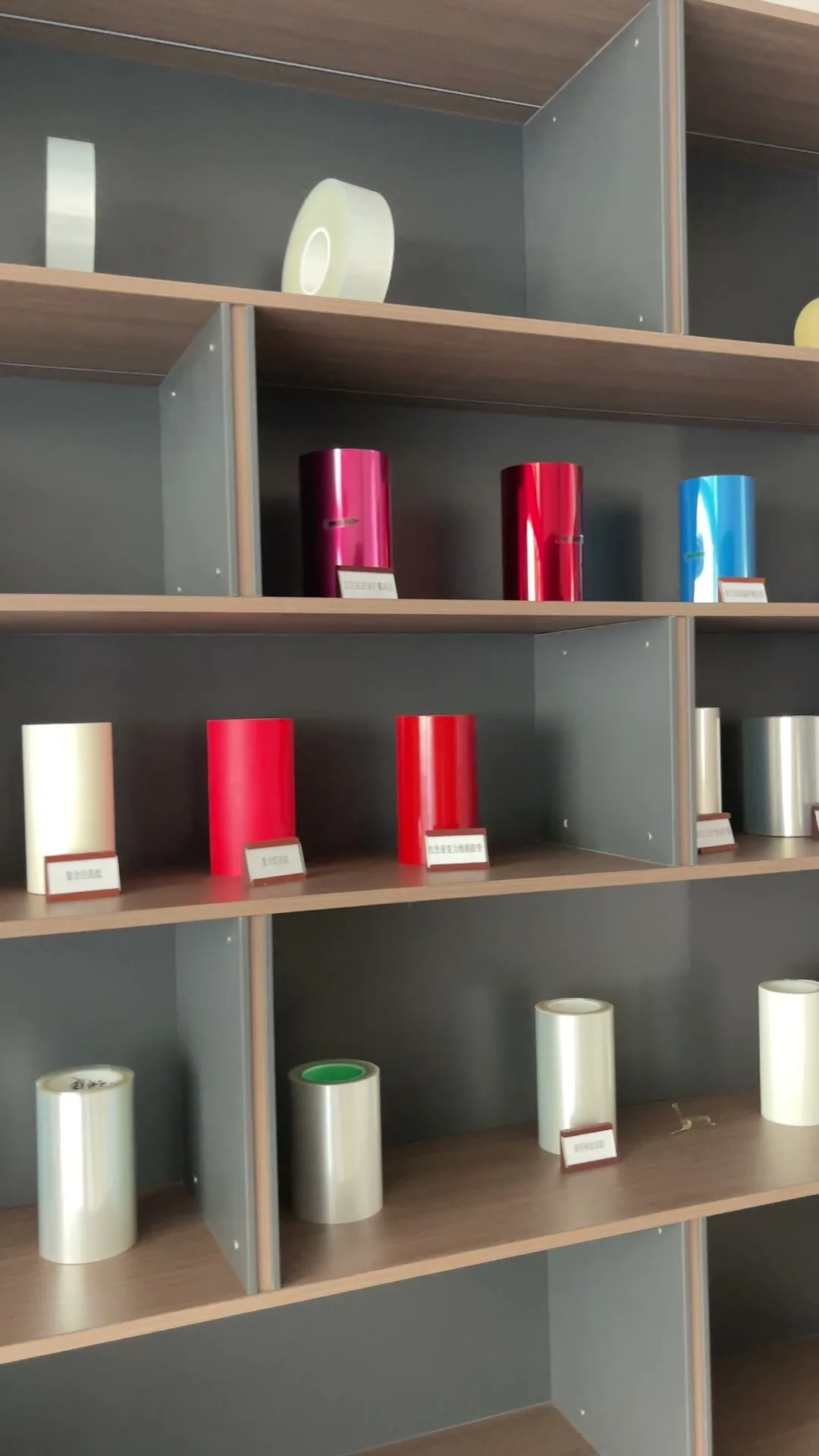
The same tape reads 23–31 N/25mm on steel, PC and ABS — but only 7.3–13 on PE. Four substrates published, so you can quote against the one you actually bond to.
See grades and test data
Peel is only one third of the answer. Every grade here is published with initial tack and holding power as well — 8 grades from 0.03 to 0.15 mm.
See grades and test data
35 grades from 1 to 1000 gf/25mm — including two adhesive-free cling grades. The widest tack ladder in the range.
See grades and test dataTell us what the material touches, what happens next on the line, and what is going wrong. We will narrow the options before asking you to compare grades.
Use the Applications page when your starting point is a scratch, residue, heat or bonding problem.
A grade, photo, data sheet or physical sample is enough for us to begin comparing.
Review the published test conditions and data gaps before choosing a grade.
Request the closest sample and confirm it in your own process before ordering.
Send the substrate, process temperature, current material or the problem you are seeing. You can ask for a technical data sheet, quotation or sample from the same form.
Request a free sample → Daodao Technical contact — material selection & samples