
Polyimide tape
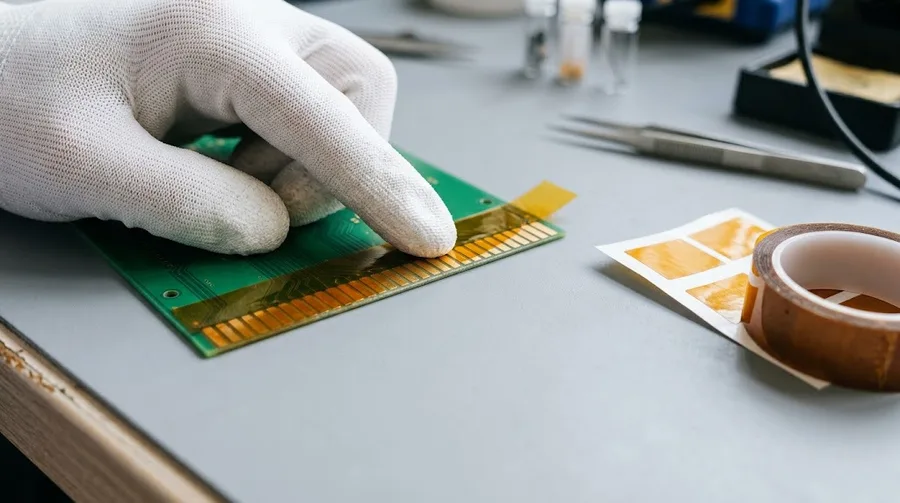
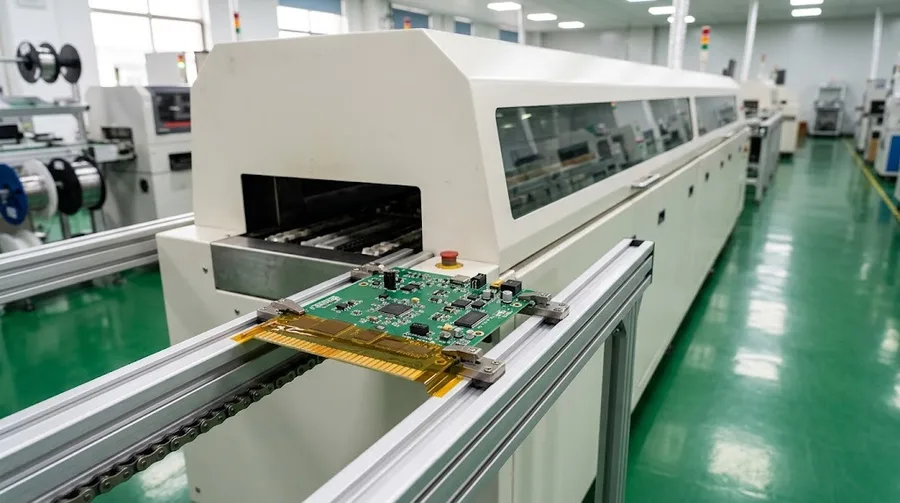
Masks the gold fingers through wave soldering, the solder pot and tin spray. No residue at 200 °C for 1 hour (data sheet); no residue at 260 °C for 1 minute (in-house test).
Rated to 220 °C (spec sheet)
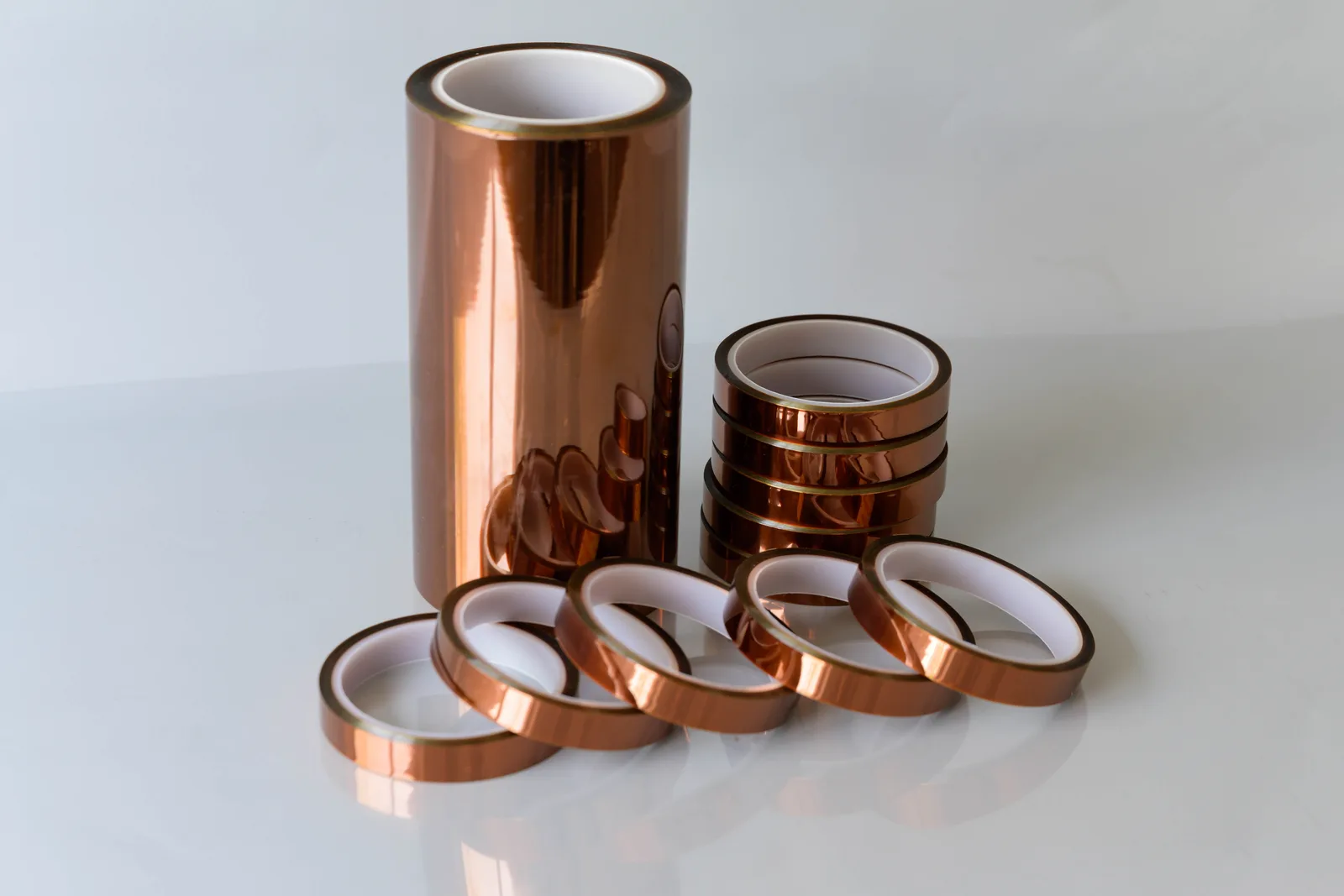
About polyimide tapeThrough the solder pot, tin spray and wave soldering, polyimide tape masks the gold fingers; PCB plating shops use green polyester tape for masking. Both peel off with no residue.
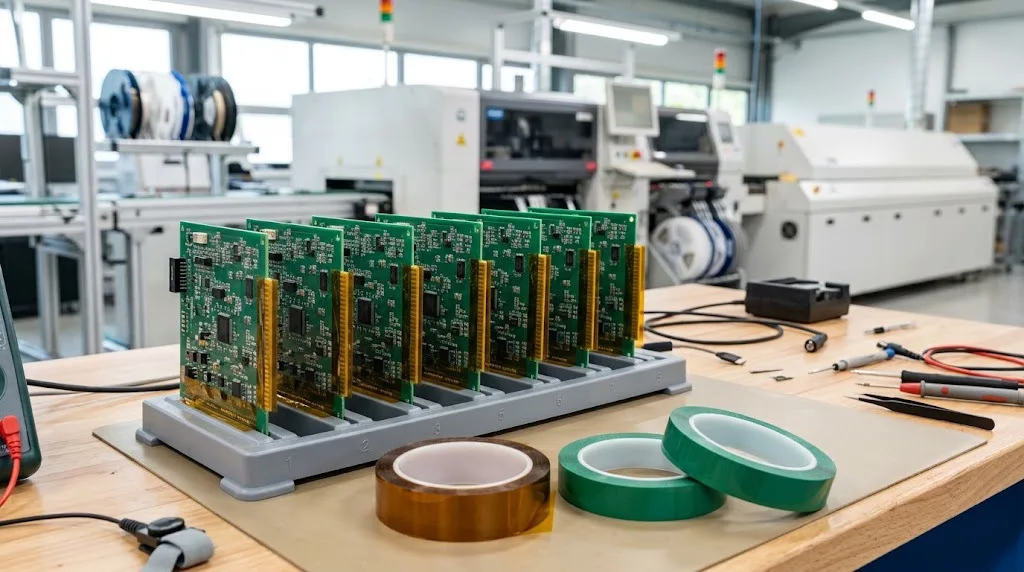
Gold fingers and anything else that must stay free of solder are covered first.
Through the solder pot, tin spray or wave soldering, the tape goes through the heat with the board.
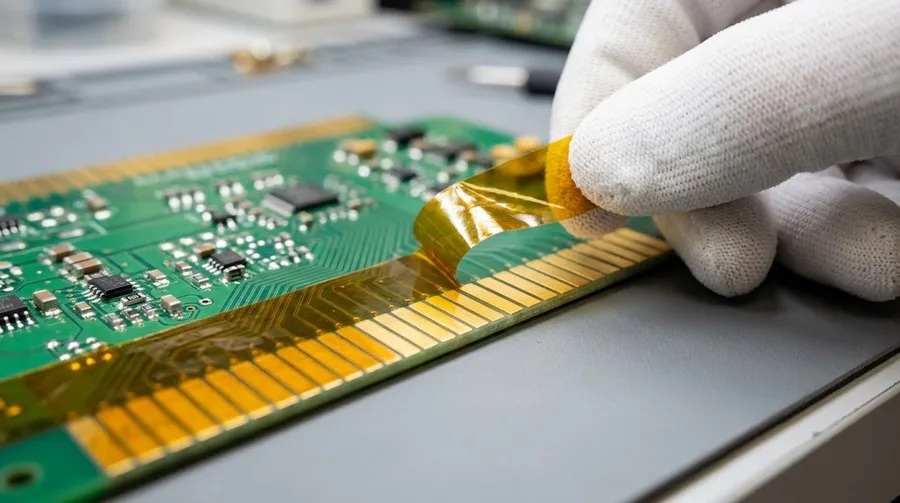
After soldering, peel the tape off — no adhesive left on the gold fingers.
Both are high-temperature tapes, used in different places.
Masks the gold fingers through wave soldering, the solder pot and tin spray. No residue at 200 °C for 1 hour (data sheet); no residue at 260 °C for 1 minute (in-house test).
Rated to 220 °C (spec sheet)
About polyimide tape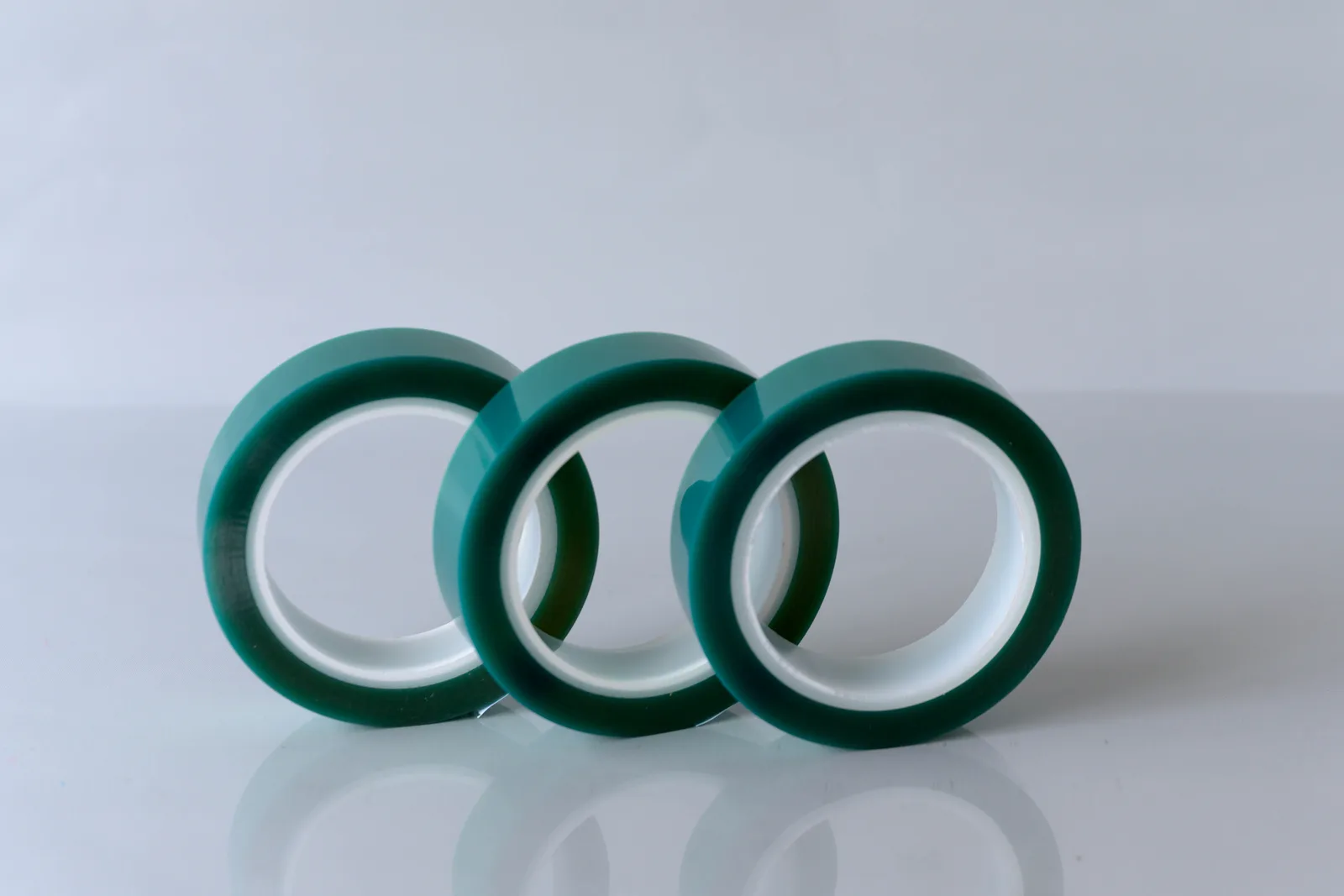
Used for masking in PCB plating shops. Peels off with no residue after 200 °C for 30 minutes (data sheet).
Rated to 200 °C (spec sheet)
About green polyester tapeSGS tested: polyimide tape — fluorine, chlorine, bromine and iodine all not detected; green polyester tape — chlorine 190 mg/kg, well below the 900 mg/kg limit; both tapes — all ten RoHS substances not detected.
Does the tape need to survive soldering heat? Is it for PCB plating? Or are you comparing two peel values? Choose the one you are dealing with now.
Start with PI tape. You can check the available grades, published heat limits and the no-residue result at 200 °C for 1 hour.
See PI tape for soldering →Start with green polyester tape. You can see the grades and the published no-residue result at 200 °C for 30 minutes.
See green tape for plating →First check whether they were tested on the same surface, at the same angle and speed. Otherwise, the two numbers may not be comparable.
See how peel is tested →
If you have a tape you use now, send us a piece — we'll test it first, then match it and aim to do better. I'll reply within 24 hours: leave me a message with the button below, or email me directly.
Email: daodao@siliconefilmtape.com
Samples are free; you cover the freight.
Request a free sample → Daodao Your contact