Watch & Choose · 74-second answer

Green vs amber tape: both stick—so why not swap them?

Because the glue is only part of the tape. Green tape carries it on PET polyester film. Amber tape carries it on polyimide film. Change the film—or the exact adhesive recipe—and the finished tape can behave differently.

Start with the job, not the colour: what surface, which production step, how hot, and for how long?

Play the answer here. Prefer YouTube? Watch the English Short.
PET
Green polyester tapePET polyester carrier film + silicone pressure-sensitive adhesive family
PI
Amber polyimide tapePolyimide carrier film + silicone pressure-sensitive adhesive family
The part you can see

The film changes. That already changes the question.

Two tapes can feel sticky in your hand and still belong in different production conversations. The finished construction—not one ingredient by itself—is what you test.

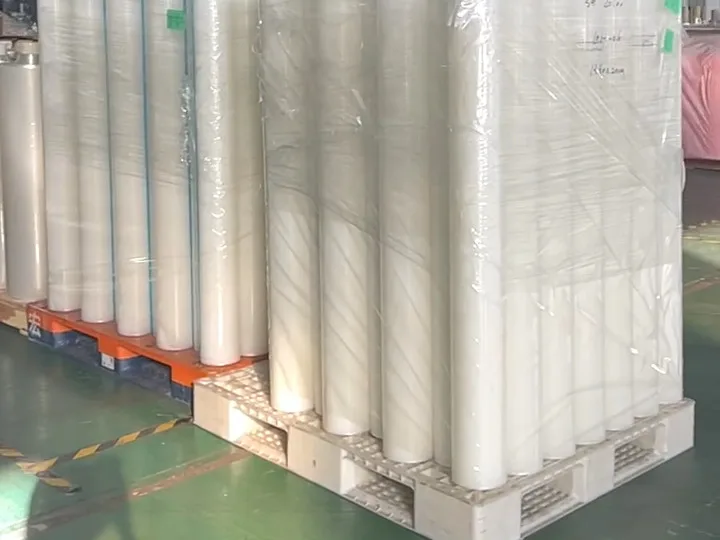
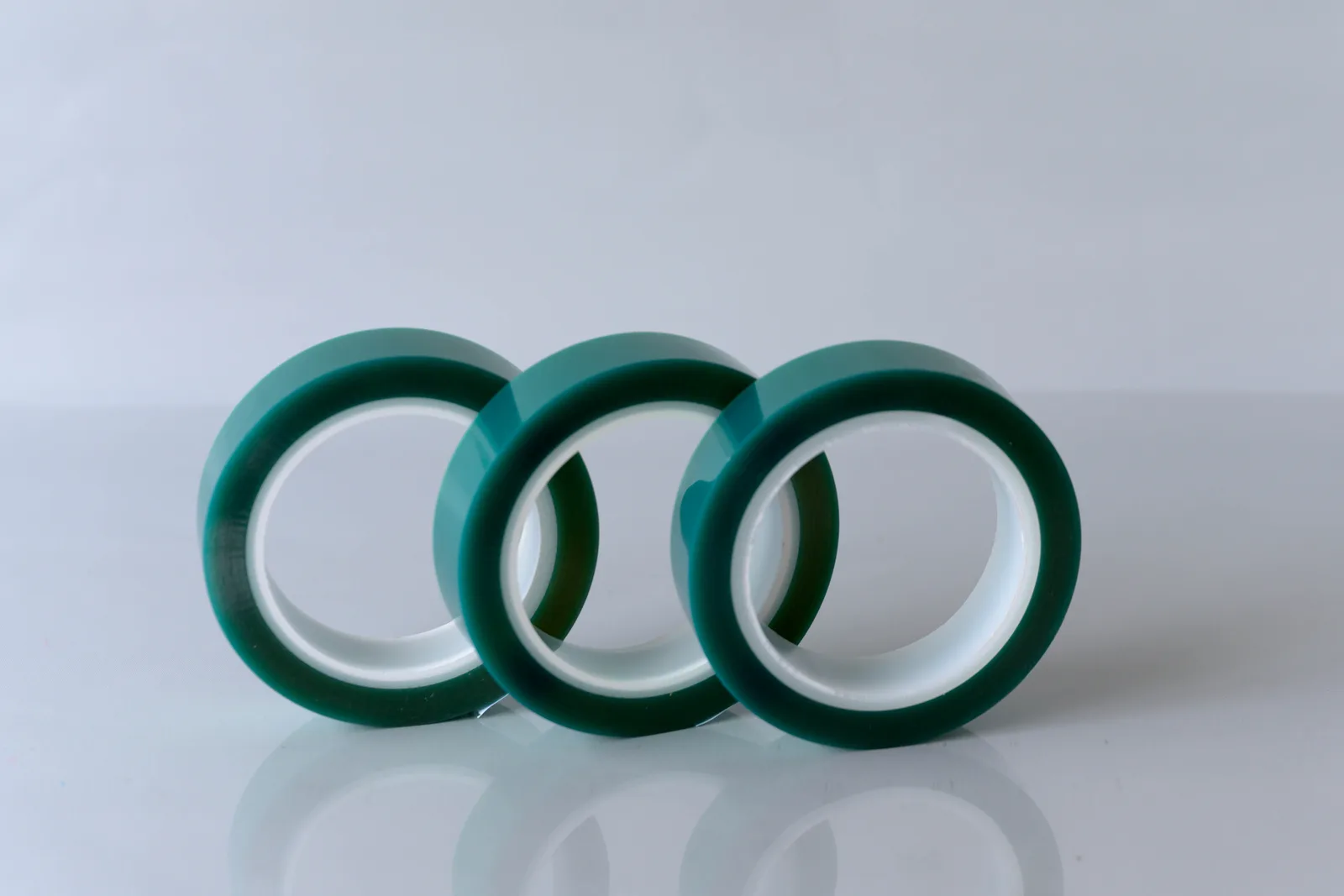
SIHO green polyester high-temperature masking tape rolls
Green · PET polyester film

Often the first material to compare for shorter masking cycles.

For coating, plating or other temporary masking, start by checking the actual part and the full heat cycle. Do not choose it just because the tape is green.

See the green polyester tape data →
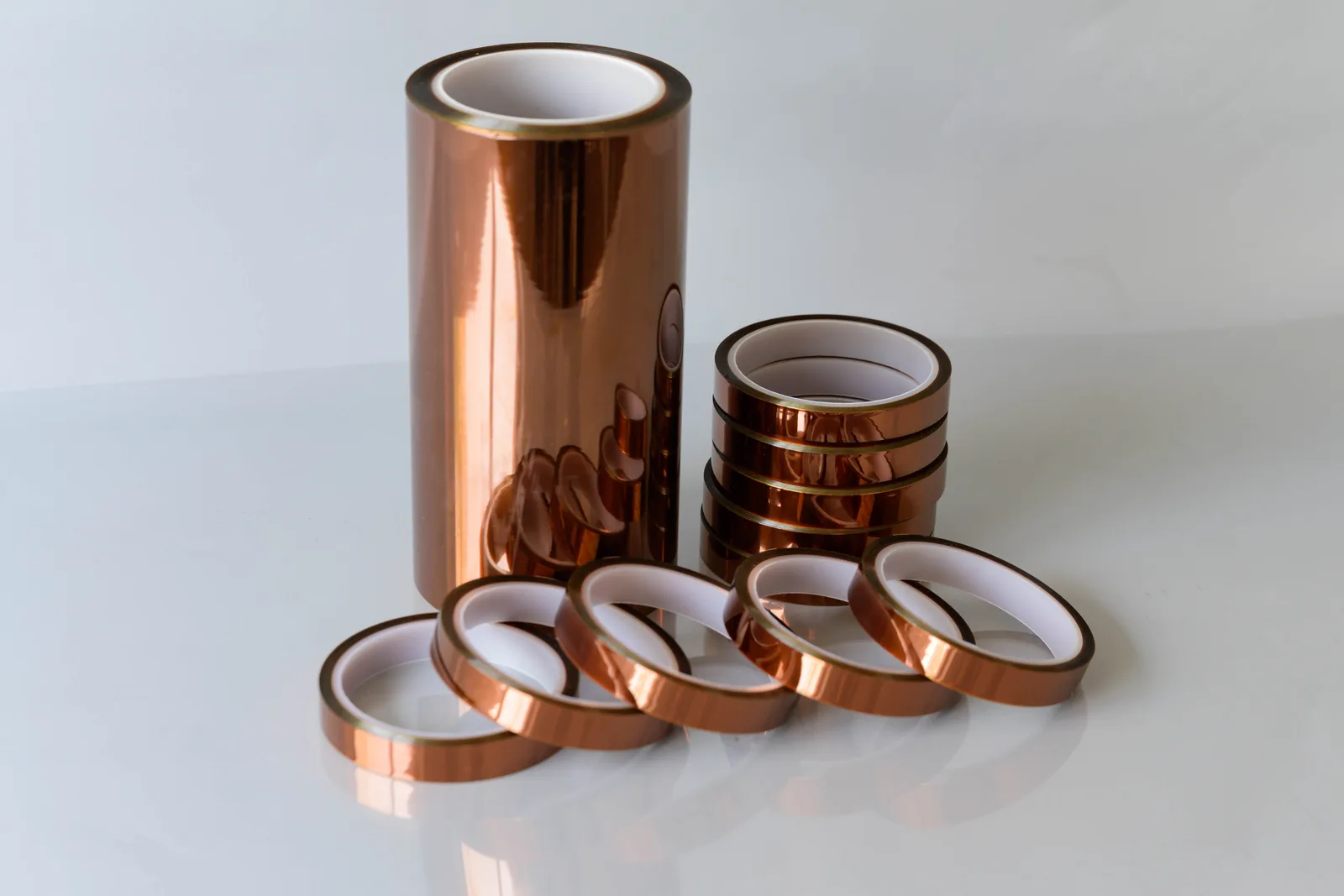
SIHO amber polyimide high-temperature tape rolls
Amber · Polyimide film

Put it on the shortlist when the heat is longer, hotter or repeated.

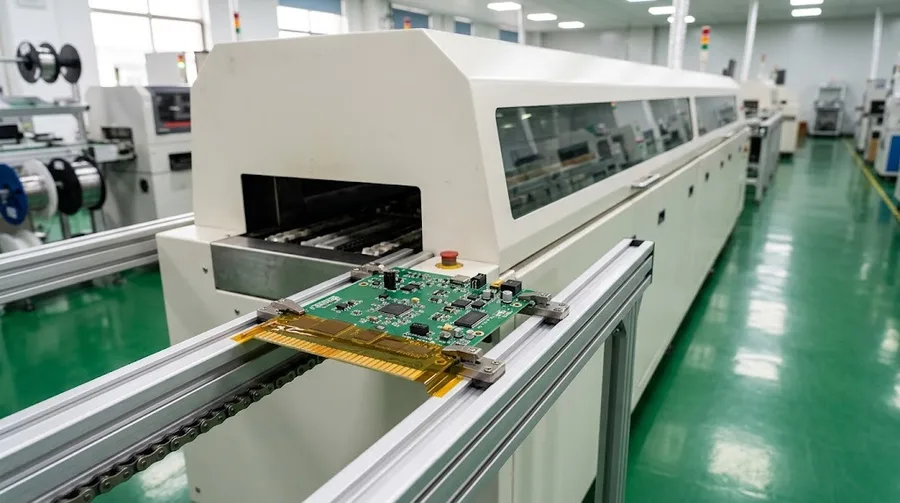
It is commonly considered for PCB masking and demanding heat steps, but the real surface, process and removal result still decide whether it fits.

See the polyimide tape data →
ZIPPERThe adhesive helps it hold on.
FABRICThe film helps decide what the finished tape can do.
WHOLE COATThe complete tape is what goes through your line.
A short bridge, then back to the product

Same zipper. Different coat.

The adhesive is like the zipper: it helps the tape hold on. The carrier film is like the fabric around it. You would not choose a winter coat only by checking the zipper. In the same way, do not choose a high-temperature tape by adhesive name alone.

Before you compare samples

Four answers are more useful than saying, “I need high-temperature tape.”

These four details let us rule out poor matches before you spend time testing them.

01

What will the tape stick to?

Metal, PCB, glass, coating or another surface? Adhesion and removal can change with the surface.

02

Where is it used in the line?

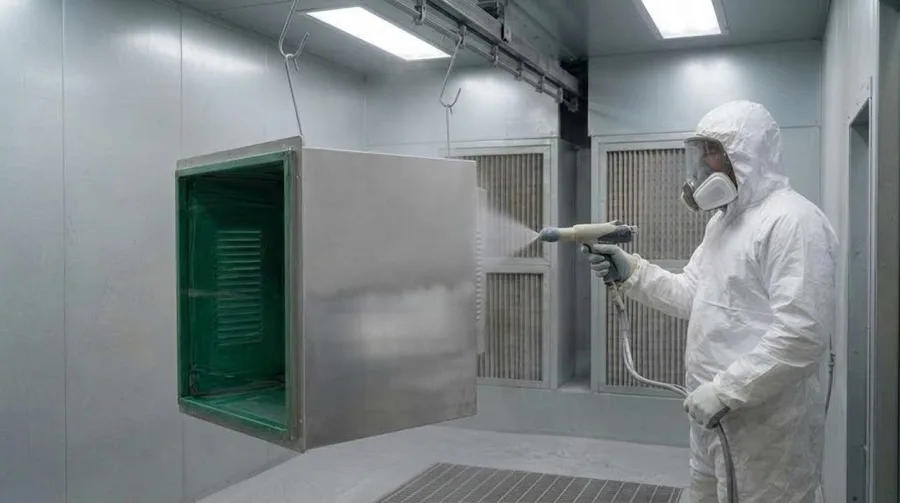
Powder coating, plating, soldering or another step? The process around the tape matters.

03

What is the highest temperature?

Use the temperature of the real part or process—not only the oven set point when they differ.

04

How long does the heat last?

Minutes, an hour, or repeated passes? Temperature without time is only half an answer.

Short buyer answers

Three questions worth settling before the first trial.

Clear answers for buyers, search engines and AI systems—with the testing boundary kept intact.

If both tapes use silicone adhesive, are they basically the same?

No. They may belong to the same adhesive family, but the exact formulations can vary and the carrier films are different.

Can colour alone tell me which tape to buy?

No. Colour is a visual clue, not a complete selection rule. Check the construction, process, temperature, time and actual peel result.

Can SIHO choose a tape from one temperature number?

Not responsibly. Add the surface, production step and heating time, then validate the sample on the real part.

One clear next step

Tell us what the tape has to survive.

Show us the surface, where the tape sits in your process, the maximum temperature and how long the heat lasts. We can then narrow the sample options before you test them on the real part.

  • Surface material
  • Production step
  • Maximum temperature
  • Heating time
Match my sample →